
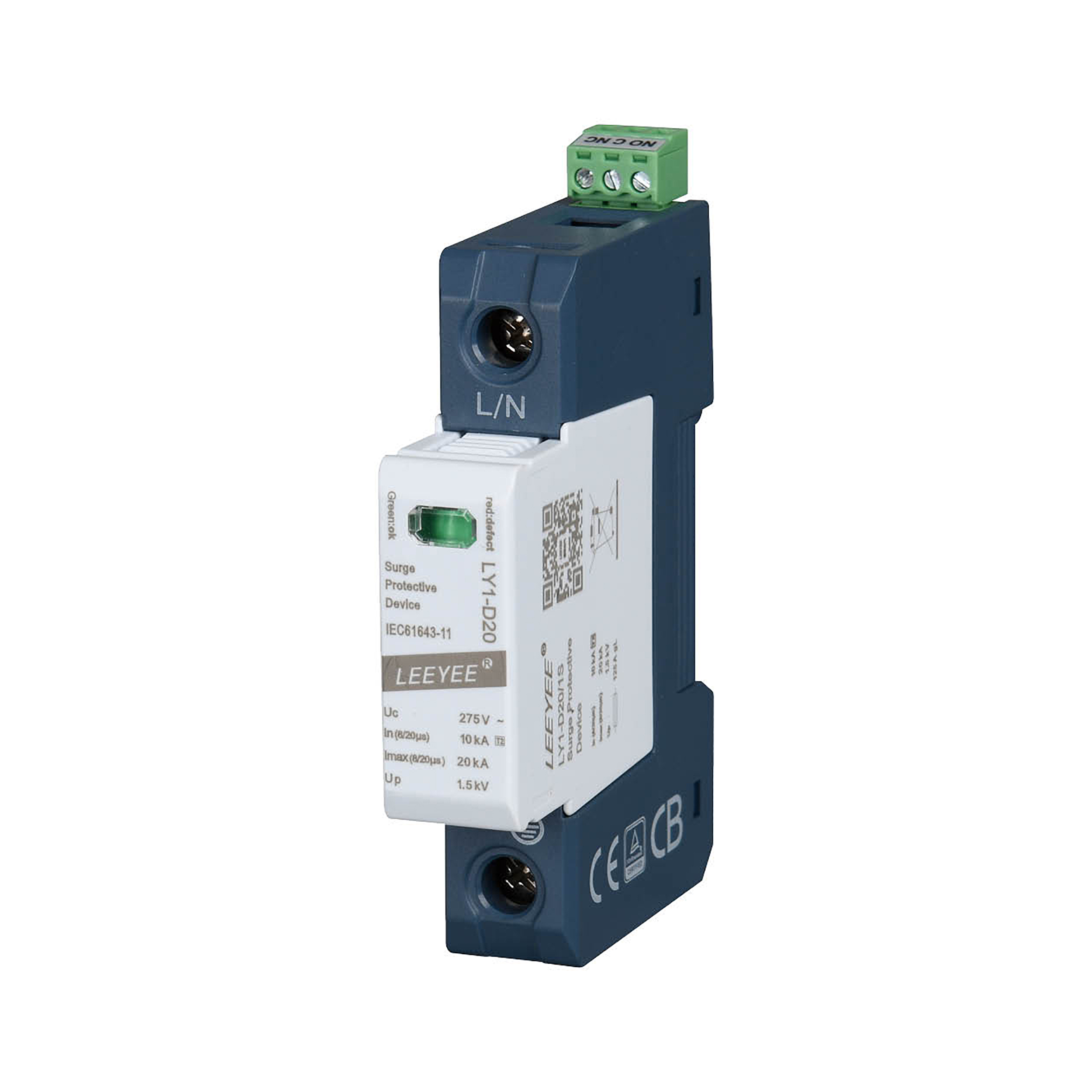
In today’s increasingly electrified world, protecting electrical and electronic devices from power surges is essential. Surge Protection Devices (SPDs) play a critical role in maintaining the reliability and longevity of equipment by mitigating the effects of transient voltage spikes that can damage sensitive components. This article explores the various types of surge protection devices, their applications, and highlights innovations within the industry.
### What Are Surge Protection Devices?
Surge Protection Devices are designed to protect electrical equipment from voltage spikes typically caused by lightning strikes, power outages, or switching operations within electrical grids. These transient surges can lead to costly equipment damage, data loss, or even safety hazards. By diverting or limiting surge voltages to safe levels, SPDs ensure continuous and stable operation of electrical systems.
### Types of Surge Protection Devices
There are several types of SPDs tailored to specific voltage levels, installation points, and protective mechanisms. Understanding these types helps in selecting the appropriate solution to safeguard your electrical infrastructure.
#### 1. Metal Oxide Varistor (MOV) Based SPDs
MOVs are among the most common surge protection components. They consist of zinc oxide grains sandwiched between two metal plates. When a voltage surge occurs, the MOV’s resistance suddenly decreases, diverting excess voltage away from connected devices.
**Advantages:**
- Fast response time
- Cost-effective and widely available
- Suitable for residential and commercial applications
**Limitations:**
- Degrades over time and with repeated surge exposure
- May fail in a short-circuit mode if not properly designed
#### 2. Gas Discharge Tubes (GDT)
Gas Discharge Tubes contain an inert gas that ionizes under high voltage conditions, providing a low-resistance path to ground. GDTs are often used in telecom and data lines where surge currents can be significant.
**Advantages:**
- High surge current capacity
- Robust and reliable over a long service life
- Minimal leakage under normal operation conditions
**Limitations:**
- Slower response time compared to MOVs (microseconds vs. nanoseconds)
- May require coordination with other protection components
#### 3. Silicon Avalanche Diode (SAD) Based SPDs
Silicon Avalanche Diodes operate by clamping voltage surges to a safe level instantaneously using semiconductor junctions. They provide very fast response times and are appropriate for protecting sensitive electronic circuits.
**Advantages:**
- Ultra-fast response time
- Precise voltage clamping
- Low residual voltage
**Limitations:**
- Limited surge current capacity
- Usually combined with other devices for bulk surge handling
#### 4. Thyristor-Based Protection Devices
Thyristors can provide latching surge protection by creating a short circuit path during a transient event. These devices offer high surge current capacity but need to be reset after operation.
**Advantages:**
- High surge handling capability
- Effective in specific industrial applications
**Limitations:**
- Requires external circuitry for reset
- Less common in typical residential setups
#### 5. Combination Devices
Many surge protection solutions use a combination of the above technologies to optimize performance. For example, a common SPD may integrate MOVs for fast voltage suppression with GDTs for handling large surge currents, ensuring comprehensive protection.
### Applications of Surge Protection Devices
SPDs are widely used across various sectors:
- **Residential:** Protect home appliances, computers, and entertainment systems from voltage spikes.
- **Commercial Buildings:** Safeguard HVAC systems, elevators, and office electronics.
- **Industrial Facilities:** Protect critical machinery, control panels, and network equipment.
- **Renewable Energy Systems:** Surge protectors are crucial for solar and wind installations where transient spikes can be common.
- **Telecommunications:** Ensure continuation of data integrity and network uptime.
### Industry Insight: Comprehensive Switch and Surge Protection Solutions
Companies specializing in electrical components and surge protection have expanded their product portfolios to include various switch types and connectors, alongside advanced surge protection devices. Their expertise spans rockers, push buttons, metal switches, slide switches, toggle switches, tact switches, and more specialized components like terminals, connectors, fuses and bases, circuit breakers, AC/DC surge protectors, surge protection boxes, and solar connectors.
By integrating surge protection technologies with reliable switching and circuit protection solutions, these providers deliver comprehensive systems aimed at enhancing electrical safety and system resilience. Their products enable seamless operation across residential, commercial, industrial, and renewable energy applications.
### Future Trends in Surge Protection
The surge protection industry continues to evolve with the advancement of smart grid technologies and increasing demand for renewable energy. Innovations include:
- **Smart SPDs:** Integrated with IoT capabilities for real-time monitoring, predictive maintenance, and data analytics.
- **Higher Energy Ratings:** Devices capable of handling surges from increasingly powerful renewable installations.
- **Miniaturization:** Smaller form factors suited to compact electronics without compromising protection levels.
- **Eco-friendly Materials:** Sustainable designs focusing on reducing environmental impact during manufacturing and disposal.
### Conclusion
Understanding the various types of surge protection devices is vital for ensuring effective defense against damaging power surges. From MOVs and GDTs to silicon avalanche diodes and thyristor-based solutions, each SPD type offers unique benefits tailored to different applications.
Leading companies that provide not only surge protection devices but also a broad range of switches, connectors, circuit breakers, and solar connectors play a pivotal role in advancing electrical safety. Their comprehensive approach facilitates the design and implementation of robust energy systems that withstand the challenges of modern electrical environments.
Selecting the right SPD technology saves valuable equipment, reduces downtime, and protects investments, making surge protection a fundamental component in any electrical installation strategy. As power systems become smarter and more complex, the importance of reliable and innovative surge protection only continues to grow.