
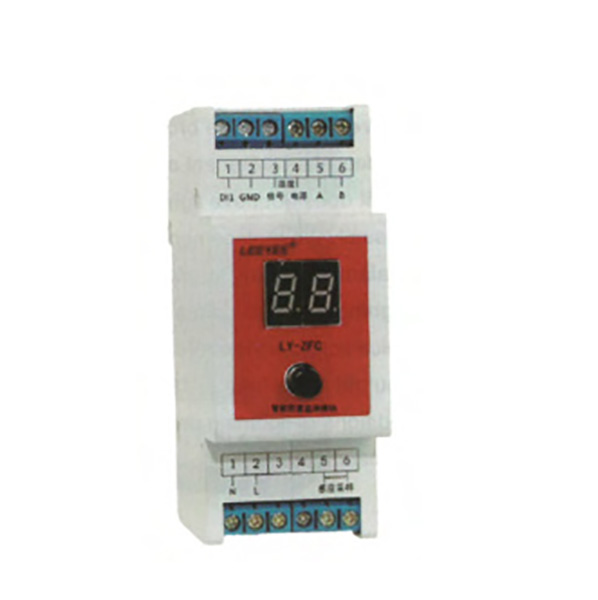
Lightning arresters play a critical role in protecting electrical equipment and infrastructure from the damaging effects of lightning strikes and electrical surges. As modern electrical systems become increasingly sophisticated and vital to our daily lives, the importance of reliable surge protection cannot be overstated. This article delves into the various types of lightning arresters available in the market today, their working principles, and why choosing the right lightning protection solution is essential for both residential and industrial applications.
**What is a Lightning Arrester?**
A lightning arrester (also known as a surge arrester) is a device used to protect electrical systems from transient over-voltages caused by lightning or switching surges. The arrester works by diverting excess high voltage surges safely to the ground, thereby preventing damage to appliances, transformers, circuit breakers, and other electrical components.
**Key Types of Lightning Arresters**
1. **Station Class Lightning Arresters**
Station class lightning arresters are primarily used to protect substations, transformers, and large electrical equipment in power generation plants. They are capable of handling very high voltages and currents resulting from lightning strikes. These arresters generally use metal oxide varistor (MOV) technology, which offers excellent energy absorption and rapid response to overvoltage conditions. Station class arresters are robust and designed for outdoor use in high-voltage environments.
2. **Distribution Class Lightning Arresters**
These arresters are installed on distribution lines and poles to protect transformers and downstream equipment feeding residential or commercial customers. Distribution class arresters have lower energy capacity compared to station class but are essential for safeguarding lower voltage networks. They can operate effectively under fluctuating load conditions and help maintain the reliability of the power distribution system.
3. **Secondary or Equipment Class Lightning Arresters**
Secondary arresters provide protection at the service entrance of buildings and for sensitive electrical devices such as computers, communication equipment, and medical machinery. They are designed to handle smaller overvoltage surges but activate very quickly, making them vital for protecting valuable or delicate equipment from transient voltage spikes.
4. **Hybrid Lightning Arresters**
Some modern designs incorporate hybrid systems combining multiple protective technologies, such as zinc oxide varistors with gas discharge tubes or spark gaps, to offer enhanced protection across a broad range of voltage levels and surge durations. Hybrid arresters are gaining popularity in applications requiring superior performance and reliability, including renewable energy systems like solar power installations.
**How Lightning Arresters Work**
When a lightning strike or switching surge causes an overvoltage, the arrester’s active material becomes highly conductive, creating a low-resistance path that directs the surge energy safely to the earth ground. Once the surge passes, the material returns to its high-resistance state, allowing normal current flow uninterrupted. This rapid switching characteristic minimizes the damage to electrical devices and helps maintain system stability.
**The Role of Quality Components in Lightning Protection Systems**
Choosing the correct lightning arrester is only part of the solution. The overall effectiveness of the surge protection system depends on the seamless integration of high-quality components and proper installation. This includes terminals, connectors, fuses and fuse bases, circuit breakers, and surge protectors—all working together to ensure a reliable safety net against electrical surges and faults.
**About Wanshfa: Delivering Comprehensive Switch and Lightning Solutions**
In addressing the growing need for reliable electrical safety products, Wanshfa stands out as a specialist in switch and lightning protection solutions. The company offers a wide range of products, including rocker switches, push button switches, metal switches, slide switches, toggle switches, tact switches, as well as terminals, connectors, fuses and fuse bases, circuit breakers, AC/DC surge protectors, surge protection boxes, and solar connectors.
With extensive experience and dedication to quality, Wanshfa provides products that are vital in constructing robust electrical safety systems. Their surge protection devices and circuit breakers complement lightning arresters, forming an integrated defense against electrical hazards.
**Applications and Benefits of Lightning Arresters**
- **Residential Safety:** Lightning arresters safeguard homes against power surges caused by nearby lightning strikes or grid switching, preventing damage to household electronics and appliances.
- **Industrial and Commercial Facilities:** Businesses rely heavily on continuous power and sensitive equipment. Installing suitable lightning arresters minimizes downtime and costly damage.
- **Renewable Energy Systems:** Solar power installations are particularly vulnerable to lightning strikes and surges. Specialized lightning arresters and surge protectors are essential to ensure efficient and uninterrupted energy production.
- **Telecommunication Networks:** Lightning arresters protect communication lines and equipment, ensuring signal integrity and system reliability.
**Conclusion**
Investing in the right type of lightning arrester is critical for any electrical infrastructure’s safety and longevity. Understanding the differences among station class, distribution class, equipment class, and hybrid arresters allows stakeholders to make informed decisions tailored to specific needs and environments.
By combining superior lightning protection devices with quality switches, fuses, connectors, and surge protection accessories, companies like Wanshfa help create comprehensive safety solutions that protect assets, improve system reliability, and ensure peace of mind.
As electrical systems continue to evolve, the demand for advanced, reliable surge protection solutions will only grow. Staying informed about the latest technologies and trusted product offerings will be key to safeguarding electrical investments well into the future.